
Herniated Disc Treatment in The Woodlands, TX
Diagnosed with a herniated or bulging disc? Surgery isn't your only option. Blue Zone Advanced Chiropractic uses spinal decompression and disc-safe chiropractic techniques to relieve nerve pressure and ease pressure on the disc, without injections or operations.

Reviewed by
Dr. Mariam Mobarak, DC
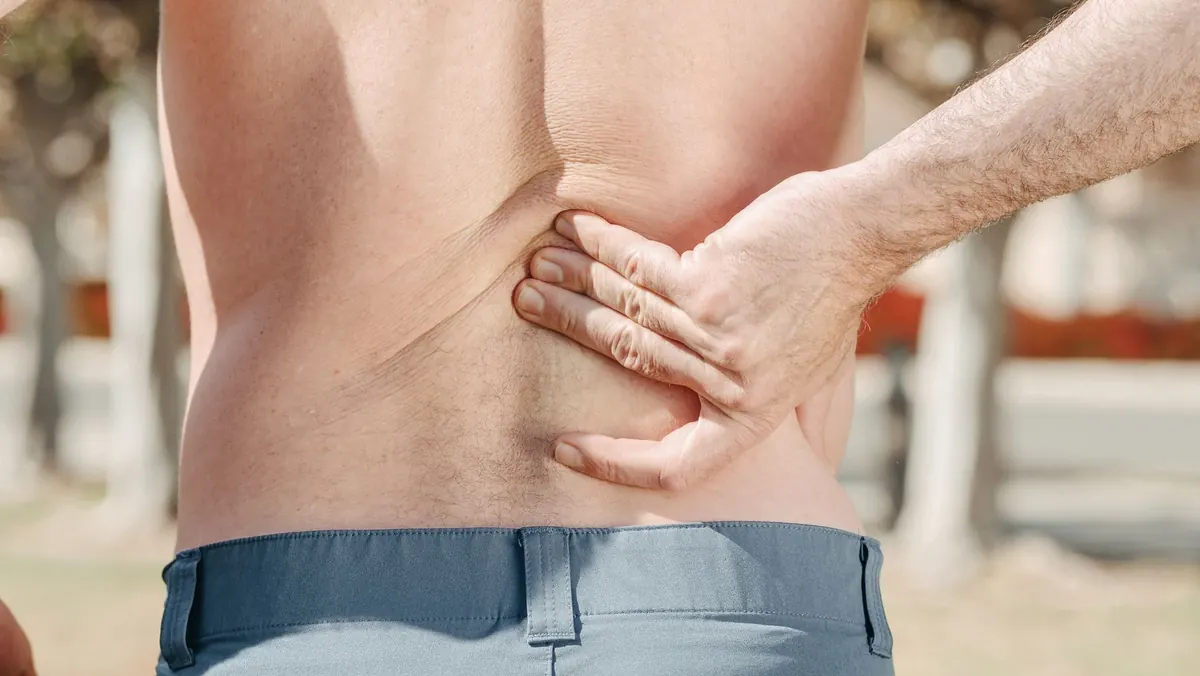
Non-Surgical Herniated Disc Solutions
The causes we see most often, and how we approach them below.
Common Disc Problems We Treat
Herniated lumbar discs
Bulging cervical discs
Degenerative disc disease
Disc-related nerve compression
Told You Have a Herniated Disc? Surgery Isn't Your Only Option.
A herniated disc happens when the soft inner core of a spinal disc pushes through its outer wall and presses on nearby nerves. The result can be intense back or neck pain, radiating pain into the arms or legs, numbness, tingling, or weakness. Many patients are told their options are injections or surgery, but for most disc cases, that's simply not true. At Blue Zone Advanced Chiropractic, we treat herniated and bulging discs non-surgically, and many of our disc patients come to us looking for an option before surgery.
Common Symptoms of a Herniated Disc
- Sharp or burning pain in the lower back or neck
- Pain radiating into the leg (sciatica) or arm
- Numbness or tingling in the extremities
- Muscle weakness in the affected limb
- Pain that worsens with sitting, bending, or lifting
Why Discs Herniate
- Age-related degeneration: discs lose hydration and flexibility over time, making them easier to tear
- Improper lifting: loading the spine in flexion puts enormous pressure on disc walls
- Repetitive strain: prolonged sitting, driving, or bending stresses the same disc segments daily
- Trauma: auto accidents, falls, and sports injuries
- Excess body weight: increases compressive load on lumbar discs
How We Treat Herniated Discs
- Spinal decompression therapy: our cornerstone treatment for disc cases. Computer-controlled traction creates negative pressure inside the disc, which aims to relieve pressure on the disc and nearby nerves and help nutrients reach the disc.
- Gentle, disc-safe adjustments: including flexion-distraction, a traction-based technique designed specifically for disc injuries
- Dry needling: releases the protective muscle spasm that surrounds an injured disc segment
- Core stabilization rehab: strengthens the deep muscles that protect the disc and help prevent re-injury
- Movement and lifting retraining: so daily life stops re-aggravating the injury
How Care Works at Blue Zone
Your First Visit
We review your history and any existing MRI or X-ray imaging, take X-rays in our office, perform orthopedic and neurological exams, and identify which disc level is involved and how severe the herniation is. The $99 covers your exam, X-rays and your first treatment.
Care Tailored to You
A disc-specific plan built around decompression and disc-safe techniques, never a one-size-fits-all protocol.
Prevention and Maintenance
Progressive strengthening and movement retraining to support the disc and lower the risk of re-injury.
Why Act Now
Disc herniations respond best to early conservative care. The longer a nerve stays compressed, the higher the risk of lasting numbness, weakness, and chronic pain, and the more likely surgery becomes the only remaining option. Patients across The Woodlands, Tomball, Magnolia, Spring, and Conroe come to Blue Zone for non-surgical disc care.
Common questions
Does a herniated disc always need surgery?
No. Many people improve with time and conservative care, and a systematic review found that disc herniations often get smaller on follow-up scans (Chiu et al., 2015). Surgery is considered for severe or worsening weakness, loss of bladder or bowel control, or pain that does not improve with conservative care.
What is the difference between a bulging and a herniated disc?
A bulging disc spreads out evenly past its normal edge. A herniated disc has a tear that lets some of its inner material push through, which can press on a nerve. Read more on bulging and herniated discs.
What movements should I avoid with a herniated disc?
Heavy lifting with a rounded back, repeated bending and twisting, and long periods of sitting without a break often aggravate symptoms. See our guide to movements to avoid.
Is an inversion table the same as spinal decompression?
No. An inversion table tips you upside down and uses your body weight, while a decompression table applies a measured pull to one area of the spine while you lie on your back or front. Inversion is not safe for everyone, so check with your physician first. Read inversion table vs spinal decompression.
Do I need an MRI?
Not always at the start. X-rays are part of your new patient visit and show bone and alignment. An MRI shows the disc itself and is usually ordered for significant weakness, warning signs, or when injections or surgery are being considered.
New patient special
- Consultation
- X-rays, Orthopedic Exams, Neurological Exams
- First Treatment
The $99 covers your exam, X-rays and your first treatment.
Have insurance? You can use it. We go with whichever costs you less, your insurance or the $99 special.