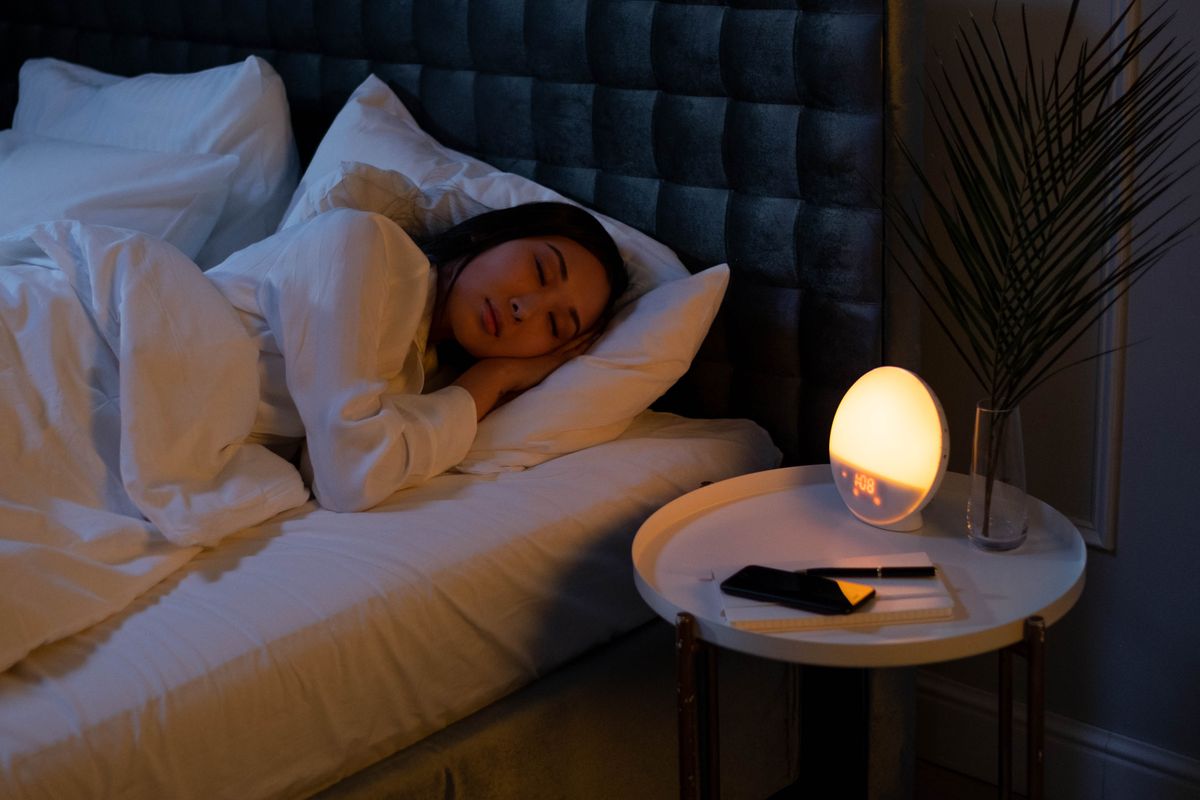
Patients spend real money on ergonomic chairs for the eight hours they sit, then give zero thought to the eight hours they sleep — the single longest sustained posture of their day. If you wake up stiffer than you went to bed, your sleeping position is a suspect worth investigating. Here's the ranking, with the fixes.
Back sleeping: best for most spines, with one tweak
On your back, weight distributes evenly and the spine can rest close to neutral. The two mistakes: a pillow that's too thick (pushing the head forward all night — nighttime tech neck) and letting the low back arch. Fix one with a medium-low pillow that supports the neck's curve, or a cervical pillow with a contour. Fix two with a pillow under the knees, which softens the pull of the hip flexors on the lumbar spine. Caveat: back sleeping worsens snoring and sleep apnea — if that's you, side sleeping wins, because sleep quality beats sleep posture.
Side sleeping: excellent, if you fill the gaps
Most people are side sleepers, and done right it's nearly as good as back sleeping. Done wrong, it's a slow-motion twist. The rules: a pillow thick enough to fill the space between shoulder and head so the neck stays level — side sleepers need a noticeably thicker pillow than back sleepers, and this is the most common mismatch we find. A pillow between the knees keeps the top leg from dragging the pelvis into rotation — this one change resolves a surprising amount of morning low back and SI joint ache. And avoid the tight fetal curl; a gentle bend is fine, but full flexion all night aggravates disc issues. Shoulder pain on your sleeping side? Hug a pillow to keep the arm supported rather than sleeping on a compressed shoulder, and alternate sides.
Stomach sleeping: the honest bad news
Stomach sleeping forces your neck into full rotation for hours — imagine holding your head turned hard left from 11 p.m. to 7 a.m. — while flattening the low back into extension under body weight. It's the position most consistently associated with morning neck pain, and there's no pillow trick that fully fixes it. If you can't quit: use the thinnest possible pillow or none, and put a flat pillow under your pelvis to reduce the lumbar sag. If you're trying to quit, a body pillow helps you transition to side sleeping by giving the front of your body the contact it's seeking. Expect a couple of restless weeks; it's a habit, and habits retrain.
The mattress question, briefly
The research points to medium-firm as the best default for back pain — firm enough to prevent hammocking, forgiving enough to let shoulders and hips settle in side-lying. A mattress past its lifespan sabotages every position on this list.
When position isn't the problem
If you consistently wake with pain that eases within an hour of moving, positioning and pillows are usually the fix — and worth optimizing. But pain that wakes you in the night, morning stiffness lasting well over an hour, or symptoms radiating into a limb suggests something — an irritated joint, a disc, inflammatory causes — that positioning alone won't solve. That's when an exam at our Woodlands office earns its place: fix the spine, and the bed gets a lot more comfortable.