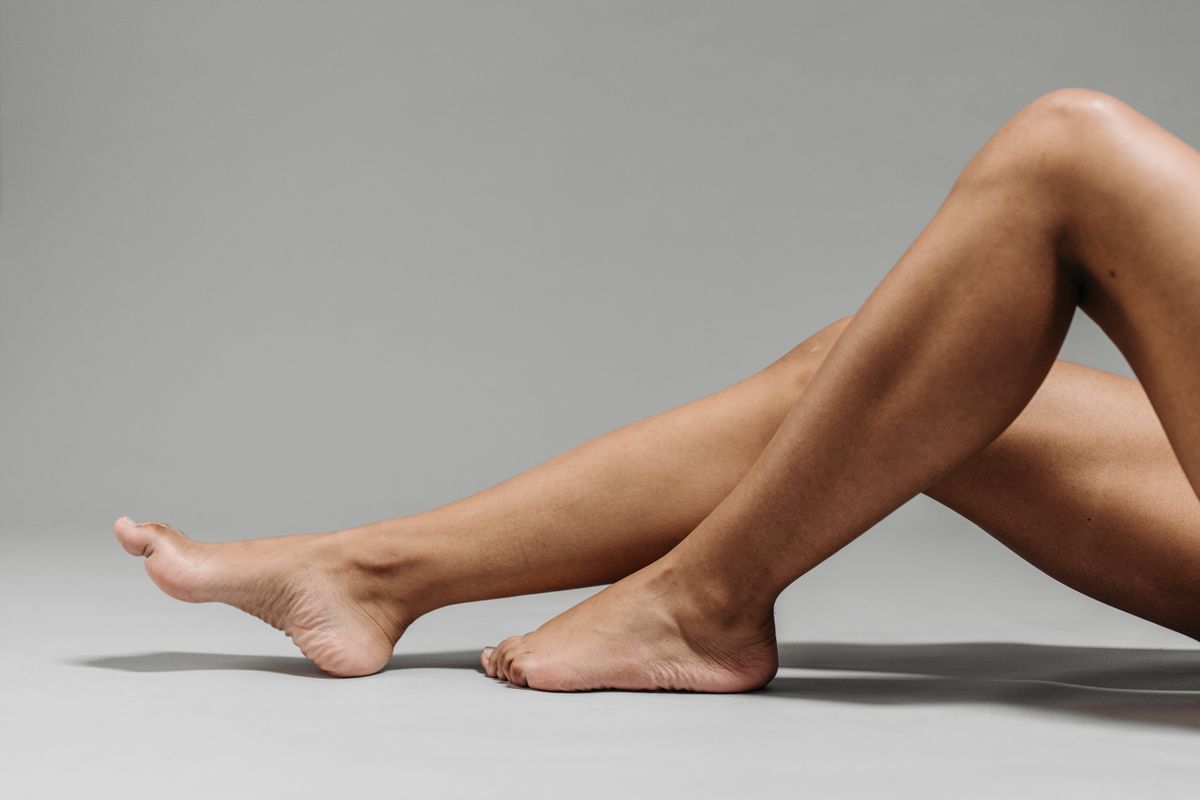
Few symptoms are as demoralizing as feet that burn, tingle, or go numb — especially when the answer you've been given is "there's not much to do." Peripheral neuropathy also happens to be an area where some clinics over-promise aggressively, so let's set the honest frame first: chiropractic care does not regenerate damaged nerves. What a good exam can do is figure out whether your symptoms are entirely true neuropathy — or partly something more mechanical and more treatable.
What peripheral neuropathy actually is
True peripheral neuropathy is damage to the small nerves themselves, most commonly from diabetes, but also chemotherapy, B12 deficiency, thyroid disease, alcohol, and other systemic causes. It typically presents symmetrically — both feet, stocking-pattern numbness, burning worse at night. The foundation of management is medical: controlling blood sugar, correcting deficiencies, addressing the cause. Anyone who suggests adjustments as a substitute for that is someone to walk away from.
The look-alikes that are treatable
Here's where it gets more hopeful. A meaningful subset of "neuropathy" symptoms aren't nerve damage — they're nerve compression, and compression is mechanical.
Lumbar spinal stenosis produces numb, heavy, burning legs and feet — classically worse with standing and walking, better when sitting or leaning on a shopping cart. That pattern is spinal, common after 60, and responds to flexion-based conservative care including decompression approaches.
Nerve root irritation from disc problems produces numbness in one foot along a specific stripe rather than a symmetric stocking pattern.
Tarsal tunnel syndrome — compression at the ankle — and peroneal nerve entrapment near the knee mimic neuropathy in one foot.
Double trouble: a diabetic patient can have mild true neuropathy plus a compressive spinal component — and treating the compression relieves the portion of symptoms it was causing, even though the neuropathy itself remains. These mixed cases are where patients who were told "nothing can be done" sometimes get meaningful relief, not because anyone cured neuropathy, but because not all of their symptoms were neuropathy.
What an honest workup looks like
History and pattern first: symmetric versus one-sided, position-dependent versus constant, and the medical context. Neurological exam — reflexes, sensation mapping, strength. Screening the spine, knee, and ankle for compression sites. Coordination with your physician for labs or nerve conduction studies when true neuropathy is suspected but undiagnosed — finding an unknown B12 deficiency or prediabetes matters far more than anything done in our office.
What care offers
For the compressive contributors: restoring spinal joint motion, decompression-oriented care for stenosis and disc cases, and releasing entrapment sites. For everyone, including true neuropathy patients: balance work. Numb feet feed bad data to your balance system, and fall risk — not the tingling — is the most dangerous part of neuropathy. Balance training demonstrably reduces that risk, and it's part of every neuropathy-adjacent plan we build.
If your feet burn and the only plan you've been offered is a prescription and a shrug, a thorough mechanical evaluation is a reasonable next step — not because chiropractic cures neuropathy, but because the diagnosis deserves more precision than the label usually gets.